
 Questions?
Achieving Independence with Adaptive Equipment
Cerebral palsy can make it hard to speak, walk, and eat. These challenges vary, and some can greatly affect mobility and overall health. Adaptive equipment can help people with cerebral palsy be more independent.
Equipment such as braces, wheelchairs, and walkers can significantly improve mobility and increase self-confidence.
Sometimes these tools are used in conjunction with physical therapy. A physical therapist will often teach children with cerebral palsy how to properly use their adaptive equipment. This can lead to improved socialization and the ability to participate in recreational activities and sports.
Types of Adaptive Equipment
There are many tools, equipment, and methods that can help children with cerebral palsy live more independently. Adaptive equipment can help with everything from changing clothes to driving a motor vehicle.
Below are examples of specific types of adaptive equipment and how they can benefit children with cerebral palsy.
Wheelchairs
A wheelchair is an essential piece of equipment for many people with cerebral palsy. A wheelchair can come in many sizes and control modes.
For example, one wheelchair might have a “joystick” control while another might be controlled with a mechanism that sits behind the operator’s head. This allows kids with very little coordination to move more freely.
New advancements in adaptive equipment for cerebral palsy are being made every day. This is certainly true in the case of the wheelchair. For children who have been severely impacted by cerebral palsy, there is even a wheelchair that can be controlled with voice recognition or other alternative methods of control.
If your child uses a wheelchair, check for pressure sores and other skin problems often. It is important to rotate positions in wheelchairs throughout the day to avoid increased pressure on bony areas, where pressure sores are more likely to occur. An occupational therapist can help teach you and your child how to prevent pressure sores.
Strollers
Sometimes, a child with cerebral palsy will have weak trunk muscles and need assistance to sit upright. Cerebral palsy strollers with chest straps can help.
Shopping for Strollers
When shopping for a stroller, there are features to look for that will help make a child with cerebral palsy more comfortable.
These features include:
- Sturdy frames that can hold up under the strain of frequent use
- A gentle chest harness and lap belt
- Growth-adjustable components
- Adjustable footplates and straps
- Indoor swivel wheels
- Spring shock absorbers
Walkers
Walkers are important pieces of adaptive equipment for kids with cerebral palsy. They are useful if your child can walk but needs help with balance.
Some kids with cerebral palsy make great strides in their mobility and muscle coordination with the help of a walker.
Walkers are usually made out of a light metal. They usually have four legs with adjustable height to grow alongside your child. Sometimes a walker has wheels, a basket, or a pouch to store the child’s belongings. Like other adaptive equipment for individuals with cerebral palsy, walkers have come a long way in recent years.
The Adapt-A-Walker device is a popular standing walker that enhances children’s mobility. The device has a front restraining gate that secures the child and confirms closing with a clicking sound.
This is beneficial because it helps a child to move around while seated or standing as tolerated. If sudden, quick movements occur, it helps them move without fear of falling or creating additional health issues.
The walker is made from healthcare-grade PVC and is secured and reinforced at its stress points.
Braces
Braces help children improve their mobility and muscle tone. Also known as an orthosis, a cerebral palsy brace helps stretch muscles that can get over-tightened and improve stability.
Braces are available for arms, wrists, hands, hips, legs, ankles, knees, and other limbs affected by cerebral palsy. Braces can be made from leather, metal, plastic, or a combination of any of these.
Your child’s doctor and an orthotic specialist will help fit your child with their brace(s) and give you instructions for maintaining them.
Rapidly growing children often outgrow their braces quickly, and a poor fit can lead to rashes, redness, and blistering.
The frequent need to replace outgrown braces can create a financial burden on families. As a result, some may extend the use of a brace beyond its ideal fit, which, unfortunately, can lead to issues like rashes and blistering, particularly if families are unable to afford timely replacements.
Orthotic Boots
Because cerebral palsy affects movement and muscle control, children with cerebral palsy often have difficulty walking. Orthotic boots for children with cerebral palsy is footwear that helps stabilize the feet and legs, improving mobility.
When children with cerebral palsy cannot use certain muscles, those muscles can weaken over time. Orthotic boots for cerebral palsy can help to correct underdeveloped muscles. This makes orthotic boots especially effective in children with severe cases of cerebral palsy.
Orthotic boots go beyond the more common shoe inserts. They may have supportive parts that are plastic, metal, carbon fiber, and/or leather. They are often custom-built.
Benefits of Orthotic Boots for Cerebral Palsy
Orthotic boots for cerebral palsy primarily help children walk.
Additional benefits include:
- Safeguarding the feet and ankles from types of injuries caused by spastic limbs, stumbling, and related incidents
- Enhancing the function of joints, pelvis, and spine
- Relieving pain
- Correcting abnormal foot alignment and structure
Ankle-Foot Orthoses (Orthotic Devices)
Ankle-foot orthoses (AFOs) are worn on the lower leg, foot, or both. They are often made of plastic and must be fitted correctly to be effective.
If your child has cerebral palsy, consult a doctor or physical therapist about whether an AFO might help your child move more independently.
An AFO has the following functions:
- Provides support for a weak leg
- Holds a leg with rigid muscles in a straight and comfortable position
- Sometimes restores function
- Can treat specific problems such as foot drop
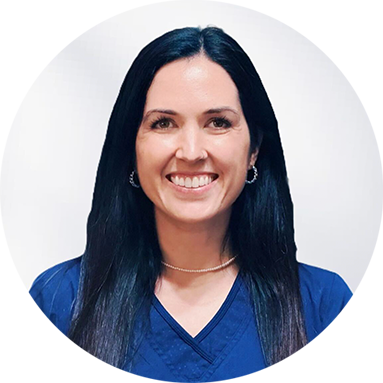
“Foot drop complicates movement, requiring a child to lift their leg higher for steps or climbs. Addressing this by positioning the foot flatter can significantly ease their movement efforts.”
– Katie Lavender, RN
There are several styles of AFOs, ranging from pliable to sturdy, depending on the required level of support. Traditional AFOs are made of sturdy materials like metal or hard plastic. They typically have a plate that slides into the shoes to help keep the foot level.
AFOs should be custom-fitted by a physical therapist or doctor for the best results.
Brachiation Kits
Brachiation kits can help to improve mobility in children with cerebral palsy. The word “brachiation” sounds technical, but the kits are designed in a fun way to get your child up and moving around the house.
Brachiation bars can be found in most playgrounds. You might know them as “jungle gyms” or “monkey bars.” Brachiation bars focus on moving unaffected limbs, like the arms.
Acquiring a brachiation kit for children with cerebral palsy might be the next step in advancing their mobility beyond that of a wheelchair.
There are many benefits of brachiation kits for children with cerebral palsy:
- As the child moves left to right, each side of the brain is independently exercised.
- Brachiation kits for cerebral palsy can be built indoors, outdoors, or both.
- The kits promote health in the chest, arms, and other sections of the body that can weaken when not used.
Consider installing a brachiation kit for cerebral palsy, either inside or outside your home. Using a brachiation kit, children with cerebral palsy can exercise mobility without a wheelchair or stroller.
Toilet Chairs
Toilet training is an important milestone in a child’s life. It means a step towards independence and freedom. The process of toilet training can be stressful for children and frustrating for parents, especially if the child has cerebral palsy.
Usually, children will begin potty training at approximately 2 to 3 years of age. This time frame might be delayed for children with cerebral palsy. Fortunately, toilet chairs are designed to control mobility and give added support, making the potty training experience less stressful.
Toilet chairs for children with cerebral palsy:
- Have a harness and straps to help children sit upright
- Provide neck and head supports
- Can adjust to the changing height of your growing child
- Are portable and can wheel away from the toilet when not in use
- Are often easy to clean and store
If you have a child with cerebral palsy, you know that adapting to life with a disability requires help. Equipment like toilet chairs may be needed throughout life to provide adequate care.
Bath Chairs
Children with cerebral palsy may have trouble sitting upright in the bath or standing in the shower. The symptoms of cerebral palsy may also make it difficult for a child to sit in chairs that do not have neck, back, and arm supports.
Specially designed bath chairs for people with cerebral palsy are an effective solution to this challenge.
Types of Bath Chairs for Cerebral Palsy
Most infants, toddlers, and children with cerebral palsy find it difficult to lie with their legs straight out or to sit upright in an unsupportive chair. This is why there are so many bath chairs for children with cerebral palsy.
Some varieties include:
- Bath Overlays: Bath overlays are removable trays that sit across the rim of a standard-sized tub. The overlay is placed under the faucet, and the water drains into the tub below.
- Bath Lifts and Hoists: These consist of a small range of manual lifts that offer children support in a reclined or semi-reclined position.
- Adjustable Height Baths: Adjustable height baths are bath seats with either mechanical or electric adjustments to heighten or lower the bath.
- Bath Boards and Seats: Spanning the rim of the bath with a platform, this bath seat provides grab rails as secure handholds for transferring children in and out of the tub.
Cerebral Palsy Vehicle Modification
Cerebral palsy can affect a person’s ability to ride or drive safely in a car. When a child with cerebral palsy is old enough to drive, he or she may be able to do so with a vehicle modification for cerebral palsy.
Long before a child with cerebral palsy is able to drive, he or she will still need to get in and out of a vehicle frequently. Sometimes, vehicle modifications for cerebral palsy include adding equipment to accommodate safe passenger traveling.
Types of Vehicle Modifications for Cerebral Palsy
According to the National Highway Traffic Safety Administration (NHTSA), a driver may need special training and licensing to operate a vehicle with modifications for cerebral palsy. If the modifications do not affect the driver but only the usability, you may still be required to seek training on the proper use of the installed equipment.
Some vehicle modifications for cerebral palsy include:
- Automatic door and window openers
- Car seat harnesses
- Column extensions
- Gas and brake pedal extensions
- Hand-operated gas and brake pedals
- Modified or custom-built seats
- Motorized or manual lifts and ramps
- Push-button gear selectors
- Spinning knobs on the steering wheel
- Wheelchair carriers
Driving for People With Cerebral Palsy
The Association for Driver Rehabilitation Specialists (ADRS) states that a driver rehabilitation evaluation should take place for every child with cerebral palsy who reaches legal driving age. This evaluation tests a person’s strengths and weaknesses with common driving tasks.
The goal is to determine which vehicle modifications for cerebral palsy will make the driving experience the safest. No vehicle modifications for cerebral palsy should be made until a thorough evaluation is completed.
Car Seats
Because cerebral palsy affects motor control in babies and children, special car seats are important for keeping your child safe.
Your child will need to travel in a car whenever they have an appointment with a specialist, such as a dentist, nutritionist, or another medical professional. A special car seat can help keep your child safer when riding in a car.
AmTryke Cycles
The AmTryke Cycle is the brand name of a specialized tricycle. It was designed for people with disabilities such as cerebral palsy and can be made in a variety of models.
Physical therapists use the AmTryke Cycle to help children with cerebral palsy increase their mobility. The AmTryke Cycle can also be used as a substitute for a wheelchair or a bicycle.
Both children and adults can use AmTryke Cycles. They are customized to fit the person’s size and specific needs. The tricycle manufacturer will need measurements of the arms and legs.
Similar products that perform the same functions include:
- Rifton Adaptive Tricycles
- Triaid Terrier Special Needs Tricycles
- TMX Pediatric Adaptive Tricycles
These cycles are all specifically designed for children with cerebral palsy or other disabilities. The hands, feet or both power the tricycle. They can help kids with cerebral palsy have more independence.
They can also help build self-esteem, strengthen muscles, and improve motor coordination and range of motion while making exercise fun.
Therapeutic Crawling Device
A child’s first steps are one of the most memorable moments in a parent’s life. This developmental milestone in children with cerebral palsy may be delayed. Children with severe cerebral palsy may never be able to walk.
A therapeutic crawling device, such as a Creepster Crawler, is a mobility aid for kids and toddlers with physical limitations caused by cerebral palsy.
This could be the tool your child needs to crawl successfully for the first time. A therapeutic crawling device is a metal frame on wheels with padded straps that suspend children by the hips, stomach, and shoulders. This leaves the arms, knees, and feet free to move.
This type of device:
- Assists children in applying pressure evenly to their hands and knees while learning to shift forward
- Strengthens a child’s neck, back, shoulder, and arm muscles
- Improves visual skills
- Increases tolerance to unfamiliar positions and textures
- Develops coordination in preparation for walking
- Promotes motor development
- Provides a child with the means of independent mobility
A therapeutic crawling device is very effective for certain children with cerebral palsy. However, if your child has little or no head control, this device is not a fit. Children with no head control will not be able to move their necks, and this may lead to excess saliva flooding their nostrils.
Similarly, a therapeutic crawling device for cerebral palsy is not a good fit if your child cannot use his or her arms.
Gait Trainers
Children with cerebral palsy typically face challenges with walking and moving freely because they cannot control their muscles well. Gait trainers can help children with cerebral palsy to move more freely. Like wheelchairs, they provide wheel-assisted mobility. They were developed to improve the walking ability of children with spastic limbs.
These devices are well-suited for children who can still move their legs but are not required to apply steady force to their heels.
Gait trainers for children with cerebral palsy can help:
- Improve mobility, balance, and independence
- Build muscle strength
- Reduce the amount of assistance required
When used in combination with regular physical therapy and other necessary treatments, gait trainers can provide many benefits. Several studies conducted by the U.S. National Institutes of Health (NIH) prove that the use of gait trainers improves balance, gait speed, and step length in children with cerebral palsy.
Sleep Aids
Children with cerebral palsy often have difficulty falling and staying asleep at night. Cerebral palsy sleep aids are medications and/or alternative methods to treat this symptom.
People often think of cerebral palsy sleep aids as medications, but they can also be natural remedies like adjustable beds and weighted blankets.
Types of Cerebral Palsy Sleep Aids
Medications are the most common sleep aid for people with cerebral palsy. These include both natural dietary supplements and prescription medications.
One of the most commonly used medications is melatonin. This is a natural sedative that helps children with cerebral palsy sleep through the night. However, melatonin can interfere with other medications. Check with your child’s doctor before using melatonin as a sleep aid.
Adjustable beds may also help a child with cerebral palsy sleep. People with cerebral palsy can have trouble lying flat on their backs or on their sides due to tense areas around the spine. Certain positions can also interfere with normal breathing.
With an adjustable bed, you can raise the head of the bed to a reclined position. This can help take the pressure off tense muscle groups and allow a child with cerebral palsy to sleep comfortably. You can also raise or lower the foot of the bed. Experiment with adjustable beds to find the right position for your child.
Another drug-free cerebral palsy sleep aid is a weighted blanket. These can be soothing for a child as they can help calm some of the spastic movements associated with their condition. Weighted blankets can be custom-made for your child’s specific needs.
Lightwriters
Cerebral palsy can sometimes affect the muscles that control speech, causing communication challenges in kids with the condition.
One approach to helping a child overcome these challenges is the use of a communication device such as a Lightwriter. Lightwriters are specifically designed for children with cerebral palsy or other disabilities that make speech challenging.
A Lightwriter is an easy-to-use portable communication device. It uses a text-to-speech mechanism that lets users type what they want to say. A child can use this device to synthesize speech when they are unable to speak easily.
The parent or listener can either read what is being communicated on the screen or listen to a synthetic voice from the machine.
Outside of the speech benefit, Lightwriters are waterproof and spill-resistant, making them more durable than a computer. They are also portable and easy to use anywhere.
Lightwriters help kids with cerebral palsy have more independence. They can also help to build self-esteem and strengthen cognitive capabilities.
Additionally, children with CP often face challenges in communicating their discomfort, which can result in delayed detection of ailments. For example, in the early stages of a pressure ulcer, a child might experience increased tenderness or pain in a specific area of the body. If they can communicate this effectively, caregivers can promptly reduce pressure on that area, helping prevent further complications.
The Makaton Language Program
The Makaton Language Program is a simple, structured language that uses gestures, facial expressions, eye contact, body language, signs, and symbols to help children communicate. It is based on a list of everyday words.
The Makaton Language Program will benefit your child by:
- Increasing vocalizations
- Reducing frustrated behaviors, such as biting and hitting
- Promoting positive social skills by increasing patience and attention span
- Helping them listen, communicate, and interact with others
Children who learn to communicate using the Makaton Language Program gain the ability to express their needs. However, keep in mind that teaching a child a new language takes time and patience.
Sometimes, weekly or even daily lessons by trained professionals are required to teach a child this new language. Depending on the child, learning the Makaton Language Program can take years. This can become quite costly over time, but it will help improve your child’s communication skills.
Communication Boards
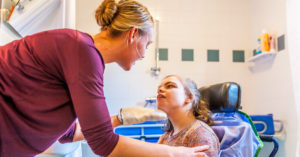
Children with cerebral palsy can sometimes have difficulty communicating verbally.
A communication board for children with cerebral palsy is a non-verbal communication aid. It is a device that uses picture symbols, words, and recorded phrases to communicate. Communication boards are useful when vocal cords are affected by cerebral palsy.
Depending on the area and severity of the brain injury, different muscle groups can be affected. According to the National Institute of Neurological Disorders and Stroke (NINDS), about 20% of children with cerebral palsy are unable to produce understandable speech.
These children also have difficulties in other areas of communication, like hand gestures and facial expressions. Not being able to communicate well can be frustrating and increase feelings of isolation and loneliness if they feel like they aren’t understood.
Communication challenges will last throughout their lives. Communication boards for cerebral palsy can help them carry on a conversation.
Speech and Language Therapy
In addition to using communication boards, speech therapy is an option. Speech therapists work with kids with cerebral palsy to help them overcome communication difficulties.
Exercises might include saying letters and words. Speech therapy also helps children practice social skills such as keeping their heads up, maintaining eye contact, and clarifying when misunderstandings happen. Some speech therapy exercises may also use communication boards.
Oral Motor Therapy
Symptoms of cerebral palsy can include speech challenges. Oral motor therapy is one option to treat this symptom.
Cerebral palsy affects a child’s muscle control. This includes muscles of the mouth that control speaking, swallowing, and eating. These muscles are called articulators. Children with cerebral palsy are at high risk of having weak articulators.
Oral motor therapy for children with cerebral palsy can strengthen muscles in the face and mouth that help with speech. This allows some children to gain some or total control over how they eat and speak.
Benefits of Oral Motor Therapy for Cerebral Palsy
Oral motor therapy for cerebral palsy involves exercises to strengthen the muscles of the mouth. Oral muscles do not typically need the same level of exercise as our larger muscle groups do.
Regular speech and eating habits keep oral muscles in great shape. For kids with cerebral palsy, the part of the brain that controls these muscles is damaged. For this reason, people with cerebral palsy might need help gaining greater control over their mouth muscles.
Oral motor therapy can help improve:
- Articulation (clarity of speech)
- Language development
- Social and emotional development
- Cognitive development
- Feeding and eating
- Sensory integration
Using Adaptive Equipment for Cerebral Palsy Management
There are many different types of adaptive equipment for individuals with cerebral palsy. The type of equipment used varies based on each individual’s specific symptoms and unique needs. A medical professional can help your child determine the proper adaptive equipment for their condition.
Adaptive equipment is often fairly expensive and can be required for a lifetime. If your child’s cerebral palsy may have been caused by medical negligence, you may be able to receive a financial settlement that will pay for your child’s care and adaptive equipment.
Call the Birth Injury Justice Center at (800) 914-1562 or get a free case review right now to learn if you may have options.