
 Questions?
What Is the HIE Baby Life Expectancy?
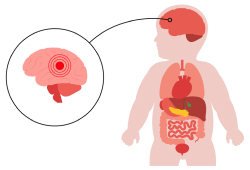 Life expectancy for hypoxic-ischemic encephalopathy refers to how long someone with the condition is expected to live. HIE occurs when a baby’s brain suffers oxygen deprivation, which can cause brain damage. How severe a case of HIE is directly affects life expectancy.
Mild HIE typically doesn’t affect lifespan, and most babies go on to live with little to no complications. But babies who suffer more severe HIE may have less time to live. The Cleveland Clinic notes that 20% to 50% of babies with HIE pass away.
Even if HIE does not shorten life expectancy, babies can develop complications such as cerebral palsy (CP) due to the brain damage. This means your child may have permanent impairments for the rest of their life.
The health care professionals who delivered your child had a duty to protect them from HIE. If your child has this health issue, it could be the result of medical negligence, and you may be eligible for compensation.
The Birth Injury Justice Center works with experienced attorneys who can fight for strong payouts if your child became disabled or passed away from HIE. Get a free case review now to find out if we can assist you.
Hie Infant Life Expectancy vs. Survival Rate
Life expectancy is how long a baby will live with HIE. Survival rate measures the number of babies still alive a certain amount of time after a diagnosis. These are both key parts of an HIE prognosis, or overall health outlook.
The survival rate of HIE varies depending on how bad the brain damage is. Most babies with mild cases will not have a shortened life span. However, only 68% of babies who suffered severe HIE were still alive by age 3, according to one report.
HIE Life Expectancy By Stage
Your baby can have mild, moderate, or severe HIE. Each of these three stages has a different HIE life expectancy. Babies with less severe forms of the condition can expect to live longer and with fewer health issues.
 Mild HIE Life Expectancy
 Mild HIE Life Expectancy
Babies who suffer mild HIE can live a full life and have a normal life expectancy, according to the Cleveland Clinic. If promptly treated, mild cases usually do not lead to long-term health problems that could impact a baby’s HIE life expectancy.
In fact, fewer than 5% of babies with mild HIE go on to develop severe disabilities, according to University of Florida Health.
Moderate HIE Life Expectancy
 Moderate HIE Life Expectancy
Moderate HIE does not usually impact long-term life expectancy, as noted by Cleveland Clinic. However, the quality of a baby’s life could be affected as they’re at a higher risk of brain damage and disability.
Up to half of babies with moderate HIE go on to develop long-term complications, such as cerebral palsy, developmental delays, and more.
Severe HIE Life Expectancy
 Severe HIE Life Expectancy
In cases of severe HIE, a baby’s brain has experienced significant harm, and they may not live a long time. Up to 1 in 5 babies with severe HIE pass away within 1 week after being born, according to many studies. Other babies may live into early childhood before passing away.
Severe HIE can also significantly affect your baby’s quality of life. Up to 80% of babies with severe HIE end up having permanent disabilities as there’s no way to reverse the damage done to the brain.
Conditions caused by severe HIE may include:
- Cerebral palsy
- Developmental delays
- Epilepsy
- Intellectual disabilities
- Loss of vision or hearing
- Muscle tone issues
- Problems with breathing
It can be heartbreaking to know that your baby may not only has less time to live, but that they’ll have a lower quality of life, especially if HIE could have been prevented with proper medical care.
The Birth Injury Justice Center can help you pursue compensation if preventable HIE hurt your baby. Click to Live Chat now to get started.
Treatments to Improve HIE Life Expectancy
The best way to help your baby live longer if they’ve suffered HIE is to get prompt treatment. The main treatment for HIE is called therapeutic hypothermia, or brain cooling therapy. Your baby will lie on a cold, water-filled blanket that brings their body temperature down.
“Therapeutic hypothermia for 72 hours provides neuroprotection that significantly improves survival and neurological outcomes in term infants with moderate to severe HIE.”
— Frontiers in Oncology
Beyond therapeutic hypothermia, your baby can receive other treatments to manage symptoms of HIE, improve quality of life, and prevent complications. Doctors can recommend therapies depending on the specifics of your child’s birth injury.
- Breathing assistance: Oxygen therapy or ventilators help those with HIE-related respiratory issues or weak heart rate regulation.
- Feeding support: A feeding tube ensures a baby gets proper nutrition.
- Medication: Some babies require medications to manage severe complications like birth asphyxia or restricted blood flow.
- Occupational therapy: This helps with fine motor skills, coordination, and independence in daily tasks and is used for children with muscle tone issues.
- Physical therapy: Children with HIE can strengthen muscles and move better with physical therapy. Braces or mobility aids may also help.
- Seizure management: EEG monitoring helps detect abnormal brain activity, while antiseizure medications can reduce the risk of further brain damage.
- Speech therapy: This helps children develop speech and improve swallowing difficulties.
- Clinical trials: Ongoing trials are exploring new treatments like stem cell therapy using umbilical cord blood and options to improve outcomes for children with HIE.
Which supportive treatments your child will need depend on the extent of their injuries. Disabilities caused by brain damage, like cerebral palsy, may require lifelong care since they can’t be cured.
HIE Life Expectancy Without Treatment
HIE must be treated in order to keep babies from suffering potentially fatal complications. Babies have a better chance of living a full life if this condition is caught and managed as soon as possible.
Doctors and other medical staff are trained to quickly address and treat HIE in newborns to keep them safe. However, the sad fact is that medical mistakes or negligence can prevent your baby from getting HIE treatment, causing long-term disability or life-threatening outcomes.
If you suspect medical malpractice led to your child’s HIE diagnosis, you may consider taking legal action to seek financial compensation. An HIE settlement can allow you and your family to pay for treatments, ensuring your child will have the best quality of life for as long as possible.
Get a free case review now to learn if you qualify to file an HIE lawsuit.
Other Factors Affecting HIE Life Expectancy
Several other factors influence how long a baby with HIE may live. This includes when medical treatment starts, the part of the brain that is damaged, and the level of care they receive from health care providers.
Timing of Treatment and HIE Life Expectancy
 Timing of Treatment and HIE Life Expectancy
Ideally, babies who are diagnosed with HIE should start therapeutic hypothermia within the first 6 hours of life. HIE means your baby is not getting enough oxygen to their brain, which is a medical emergency.
If doctors fail to properly provide treatment within this 6-hour window, your baby’s HIE life expectancy and quality of life could be affected.
Type of Brain Damage and HIE Life Expectancy
 Type of Brain Damage and HIE Life Expectancy
HIE can damage various parts of the brain, such as grey or white matter. Your child could go on to develop any number of health issues that affect their HIE life expectancy. It depends on which part of the brain was affected and how bad the damage was.
For example, if your baby can’t regulate key body functions like breathing due to a severe brain injury, they could have a poor HIE life expectancy.
Experience of Medical Providers
 Experience of Medical Providers
We trust hospitals to safely deliver babies every day, yet preventable cases of HIE still occur year after year. In some cases, factors like lack of care or poor choices on the part of staff directly lead to severe HIE, causing babies that would otherwise be healthy to suffer.
In cases where HIE was potentially caused by a medical error, such as a delayed C-section, mismanaged placenta or umbilical cord issues, uterine rupture, or untreated preeclampsia, you might qualify for a birth injury lawsuit.
Get Help Affording Care to Improve HIE Life Expectancy
If your child has been diagnosed with HIE, it’s important to understand how it will affect their life moving forward. A severe case may mean that your baby won’t live a full life, which can be heartbreaking.
Your family deserves compensation and justice after an HIE diagnosis. This condition may have been preventable with proper medical care. While it can’t bring your child’s health back, an HIE lawsuit can help you afford treatments, therapy, and support to give them the best quality of life possible.
The Birth Injury Justice Center has partnered with skilled HIE lawyers who can help families in all 50 states. The birth injury lawyers in our network have recovered over $1.1 billion for HIE, cerebral palsy, and other health issues.
Call (800) 914-1562 right now or get a free case review to learn if our legal partners may be able to help you seek financial compensation for HIE.
HIE Baby Life Expectancy FAQs
Babies often fully recover from HIE if a doctor used therapeutic hypothermia, or cooling therapy. Treatment is crucial to preventing brain damage from becoming worse.
Babies who have suffered moderate or severe HIE may not be able to fully recover, however. In these cases, children may be left with lifelong disabilities like epilepsy or cerebral palsy. Severe HIE cases may prevent babies from living a long time due to significant health complications.
HIE itself cannot be reversed, but early hypothermia treatment can prevent the condition from getting worse. Babies who are affected by only mild HIE could live a normal life with little to no ongoing health issues.
If HIE isn’t promptly addressed, permanent brain damage could occur, leading to disabilities like cerebral palsy or epilepsy, as well as fatal complications.
We may be able to help if your child suffered a serious case of HIE and is now facing long-term health problems. Call (800) 914-1562 or Click to Live Chat now.
Many babies with mild HIE go on to live normal lives, particularly if the condition is promptly diagnosed and treated. However, moderate or severe cases can lead to complications that worsen a baby’s HIE life expectancy and quality of life.
For example, if a baby’s brain is severely damaged, they could develop cerebral palsy or be unable to control key body functions like breathing on their own.
Yes, you may be able sue if medical negligence caused HIE. Hospitals could be to blame if your child’s HIE was not properly diagnosed, monitored, or treated. All of these factors could lead to a lower HIE life expectancy.
In these cases, you may deserve HIE legal compensation to cover your child’s health care expenses or funeral costs if they passed away.
Our partner attorneys have secured more than $1.1 billion for families affected by HIE, cerebral palsy, and other preventable birth injuries. Get a free case review to find out if they can assist you, too.