
 Questions?
What Are Cephalohematoma Developmental Delays?
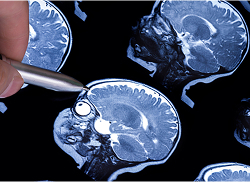 An infant cephalohematoma developmental delay can occur when the birth injury leads to serious complications that affect the brain. This may include severe jaundice that goes untreated, infection, or an underlying skull fracture.
While many newborn cephalohematomas resolve without lasting harm, complications can disrupt early brain development and affect movement, learning, or communication.

“Many children aren’t diagnosed with developmental delays until around age 2, and some social or cognitive delays don’t appear until school age.”
— Kristin Proctor, RNC-OB, On-Staff Registered Nurse
Doctors and hospitals are expected to identify and manage cephalohematoma carefully, especially when there are signs of worsening complications like increasing head swelling, severe jaundice, or neurological symptoms.
When medical mistakes delay proper diagnosis or treatment, preventable brain injury and long-term developmental challenges may occur.
We work with experienced newborn cephalohematoma lawyers who assist families nationwide. So far, our legal partners have recovered over $1.1 billion for families facing avoidable birth injuries.
Get a free case review to find out if you may qualify for compensation.
How Cephalohematoma Can Affect Brain Development
A cephalohematoma forms when damaged blood vessels rupture during difficult labor, often as the infant’s head passes through the birth canal.
On its own, it does not involve the brain. However, developmental problems may occur when serious complications develop and affect brain function.
This may interrupt normal development during a critical period of growth and impact how a child learns, moves, communicates, or processes sensory information.
- Hearing loss: Brain injury can affect the parts of the brain involved in hearing and speech.
- Hydrocephalus: In rare cases, a cephalohematoma alongside deeper head trauma or bleeding inside the brain can disrupt normal fluid flow, affecting brain development.
- Jaundice left untreated (kernicterus): Large cephalohematomas can cause bilirubin buildup. If jaundice is not treated in time, bilirubin can harm the brain and affect movement, hearing, and development.
- Skull fracture complications: Some cephalohematomas occur with underlying skull fractures, which may increase the risk of deeper injury and developmental effects.
- Seizures: Brain injury linked to severe jaundice, head trauma, or hemorrhage may sometimes lead to seizures.
Cephalohematomas are more likely in births involving vacuum extractors. Sometimes, the hardened swelling can develop calcification, giving the bump a crater-like feel as it resolves.
Complications may not always be obvious right away. In some cases, concerns become clearer as a child gets older and begins working toward more complex developmental milestones.
Early Signs of a Cephalohematoma Developmental Delay
Most babies with a cephalohematoma recover without long-term problems, even without medical intervention. However, when complications affect the brain, developmental delays may appear over time.

Cephalohematoma Developmental Delay in Newborn Babies (0–6 Months)
- Delayed sitting, crawling, or rolling
- Difficulty grasping or transferring objects between hands
- Less babbling or fewer speech sounds
- Limited response to familiar voices or sounds
- Reduced exploration of surroundings

Developmental Delays in Older Babies (6–12 Months)
- Delayed crawling or pulling to stand
- Difficulty grasping or transferring objects
- Limited response to their name
- Minimal exploration of surroundings
- Reduced babbling or fewer developing sounds

Cephalohematoma Developmental Delays in Toddlers (1–3 Years)
- Delayed speech or unclear words
- Difficulty with balance, walking, or climbing
- Limited fine motor skills, like stacking blocks or using utensils
- Reduced social engagement or eye contact
- Short attention span or difficulty solving simple problems

Developmental Delays in Preschoolers (3–5 Years)
- Delayed sentence formation or trouble expressing ideas
- Difficulty following multi-step directions
- Emotional or behavioral regulation challenges
- Fine motor difficulties, such as drawing or using scissors
- Trouble with early learning tasks like colors, letters, or counting
Closely watching growth helps families recognize concerns early and get support sooner.
Medical Malpractice and Cephalohematoma Developmental Delays
Many cephalohematomas resolve without long-term harm. However, when complications are missed or poorly managed, preventable brain injury and developmental delays can occur.
Doctors and hospitals are responsible for recognizing when a cephalohematoma is no longer dangerous and requires closer monitoring or treatment. When they fail to act, serious complications may follow.
Examples of medical negligence linked to cephalohematoma include:
- Failing to monitor bilirubin levels, allowing dangerous jaundice to progress
- Ignoring signs of worsening head swelling, including rapid growth or increased firmness
- Missing an underlying skull fracture associated with the cephalohematoma
- Overlooking signs of infection in the cephalohematoma that can cause sepsis
When medical malpractice contributes to a child’s injuries, families may be eligible to pursue compensation through a cephalohematoma claim for treatment and long-term support.
Get a free case review now if you suspect your child’s cephalohematoma developmental delay could have been prevented.
Types of Developmental Delays
Cephalohematoma itself is a scalp injury, so it does not affect the brain directly. However, when complications occur, a child may experience developmental delays that affect specific areas of growth.
Some children may struggle in only one area, while others may have challenges across multiple areas of development after any type of birth injury.
When complications impact brain development, delays may include:
- Cognitive delays: Difficulty with attention, early memory, or problem-solving
- Motor delays: Trouble with balance, coordination, crawling, or fine motor skills
- Speech and language delays: Slower progress with early sounds, words, or understanding spoken language
- Social and emotional delays: Challenges engaging with others or regulating emotions and behavior
These delays often become clearer over time, making regular developmental follow-up important.
If you’re worried about a possible cephalohematoma developmental delay, our registered nurses can answer your questions and help you take the next step. It’s always free to talk with our team.
“We’re here to listen without judgment — you can tell us anything and everything about what happened.”
– Beth Carter, RN, On-Staff Legal Nurse Consultant Certified

Beth has more than 18 years of specialized experience in labor and delivery. She’s available to hear your story and help you figure out the cause of your child’s injury — and what you can do next.
Talk to A Nurse Now
Call or chat with a caring, experienced nurse right now — we’re standing by to get you help and answers.
Diagnosing a Cephalohematoma Developmental Delay
Developmental delays linked to cephalohematoma are identified when a child starts missing expected milestones, and earlier complications affect the brain, such as severe jaundice, infection, or head trauma.
Doctors first review what happened after birth to determine if the cephalohematoma led to dangerous complications.
- Bilirubin testing to check for dangerously high jaundice levels
- Developmental screenings to compare movement, communication, and social skills to age expectations
- Hearing and vision tests to check for sensory problems linked to brain injury
- Imaging tests like X-rays, ultrasound, CT scan, or MRI to look for skull fractures
- Neurological exams to assess muscle tone, reflexes, and coordination
- Speech and motor evaluations to measure language and physical development
These evaluations help doctors understand how cephalohematoma complications may be affecting your child and guide early care and therapy decisions.
Treating Developmental Delays Linked to Cephalohematoma
When a cephalohematoma leads to complications that affect the brain, early therapy can help children make progress and build essential skills. Treatment plans are tailored to each child based on the type and severity of the effects.
A care team may recommend:
- Behavioral or developmental therapy to support attention, learning, and emotional control
- Occupational and physical therapy to improve strength, balance, movement, and coordination
- Speech and language therapy to support communication and understanding
“Physical, occupational, and speech therapies give patients more autonomy, progress at school academically and socially, and hope of a successful future.”
– Katie Lavender, RN
Because therapy needs can continue for years, many families pursue compensation through cephalohematoma settlements to help cover long-term treatment and ensure their child receives consistent support.
Get Legal Help for Birth Injuries
When cephalohematoma complications lead to brain injury and developmental delays, families deserve direct answers and real support. If medical mistakes during delivery or newborn care contributed to your child’s condition, legal options may be available.
The Birth Injury Justice Center has dedicated in-network lawyers who help families in all 50 states. Our legal partners have secured over $1.1 billion for families affected by preventable birth injuries.
Call us at (800) 914-1562 right now or fill out our form to find out if we can help your child get the care they deserve.
Cephalohematoma Developmental Delay FAQs
An infant cephalohematoma is pooled blood under a baby’s scalp that sits outside the skull. By itself, it is a minor injury that does not press on the brain or affect brain development.
However, problems can happen if serious complications develop, such as:
- Infection in the cephalohematoma
- Severe jaundice leading to brain injury (kernicterus)
- Skull fracture or deeper head injury
In these cases, brain development may be affected, but this is due to the complication, not the cephalohematoma alone.
Most cephalohematomas resolve over time without long-term effects. Long-term complications may occur if there are associated injuries or severe complications.
When a brain injury occurs, a child may have ongoing challenges with movement, learning, speech, hearing, or behavior. Without these complications, permanent effects are unlikely.
If your child is experiencing cephalohematoma developmental delays, it could mean medical mistakes were made, and you may qualify for financial compensation. Get a free birth injury case review now.
A cephalohematoma usually develops within the first 24 to 72 hours after a vaginal delivery. It often becomes noticeable as a soft, raised bump on the baby’s head that does not cross the skull’s suture lines.
It forms when small blood vessels break under the scalp during a difficult or assisted delivery, such as with vacuum extraction or forceps.
Cephalohematoma alone does not cause cerebral palsy because it does not involve the brain.
However, cerebral palsy could develop if the cephalohematoma was part of a more serious birth injury that caused brain damage.
This may happen in cases involving:
- Lack of oxygen combined with traumatic delivery complications
- Severe, untreated jaundice that led to kernicterus
- Significant head trauma with an underlying skull fracture
If you suspect your child could have cerebral palsy related to birth trauma, you may be able to access significant compensation.
Call us at (800) 914-1562 or Click to Live Chat with our team if you’re concerned about your child’s long-term health.