
 Questions?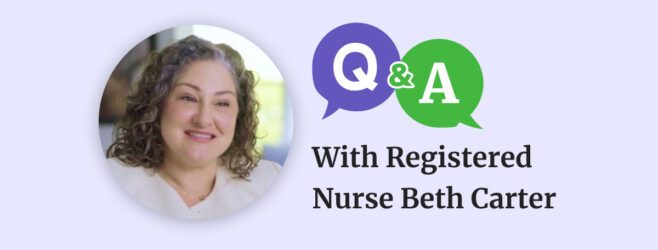
Beth Carter is a registered nurse with over 20 years of experience, including 8 years in labor and delivery, where she monitored high-risk births and helped manage obstetric emergencies and birth injuries in real time.
She’s also a NICU mom. Her first son was born at 29 weeks, so she understands what it’s like to leave the neonatal intensive care unit each day not knowing what tomorrow will bring.
Now certified as a Legal Nurse Consultant, Beth reviews medical records to identify when care may have fallen short and whether medical errors may have contributed to a child’s injury.
Beth works with the birth injury team at Sokolove Law, a leading national firm that helps families in all 50 states. She listens to parents’ stories and works with attorneys to determine whether negligence or malpractice may have contributed to a child’s injuries.
We sat down with Beth to get answers to the most common questions parents have after a complicated or traumatic birth, including understanding what happened and what to do next when they sense something is wrong.


Q: What should I do if I feel like something is wrong with my baby after a complicated birth?
A: If something doesn’t feel right, trust your gut. Parents know their babies better than anyone else, so take note of what you are seeing and any concerns you may have.
Feeding problems, unusual stiffness or floppiness, or missed developmental milestones can be early birth injury symptoms and should be evaluated by a medical professional.
Many parents who reach out to us simply know something is off. Our team can review your child’s birth records to help identify what may have gone wrong and whether it’s connected to the symptoms you’re seeing today. We can then determine whether medical negligence may have played a role.
Q: Should I worry if my baby isn’t using one side of their body?
A: It’s worth paying attention if your baby keeps one arm tucked in, moves one side much less than the other, or seems uncomfortable when that arm is moved. These can be early signs of a brachial plexus injury at birth, which affects the nerves in the shoulder and arm.
These injuries often happen during a difficult delivery, especially when a baby’s shoulder becomes stuck. Some babies with this type of nerve damage also develop conditions like Erb’s palsy.
A pediatrician should evaluate any uneven movement right away. Early therapy can make a real difference. If your baby’s arm weakness started at birth or after a hard delivery, it may also be important to look at whether a medical mistake played a role.
Q: Can meconium aspiration cause long-term birth complications?
A: Babies often fully recover from meconium aspiration syndrome. However, in more serious cases, it can lead to lasting lung problems or a brain injury, especially if the baby did not get enough oxygen at birth.
If your baby needed resuscitation, oxygen support, or a NICU stay, and now has breathing issues, delays, or other concerns, those can be signs the injury was more than temporary.
In these situations, it’s important to understand what happened during delivery and whether the medical response was timely and appropriate.
Q: Can a difficult delivery with forceps or a vacuum cause lasting harm?
A: Yes. A vacuum-assisted delivery or a difficult delivery that involved the use of forceps can sometimes cause serious injuries, including bleeding in the brain, skull fractures, nerve damage, or oxygen deprivation.
Some of these problems are obvious right away, but others take time to show up. A baby who initially seems stable could develop seizures, feeding difficulties, or delays in movement and development. These can all be signs of lasting harm.
If you notice any of these symptoms, it may be worth reaching out to our team. We can review what happened during delivery to understand whether any preventable errors may have contributed to your child’s injury.
Q: Why do some babies need cooling therapy or special care right after birth?
A: Cooling therapy is often used when doctors believe a baby may have suffered brain damage at birth from a lack of oxygen. This condition is called hypoxic-ischemic encephalopathy, or HIE.
The therapy is meant to slow swelling in the brain and reduce long-term injury, but it also signals that something serious happened during birth. Many parents don’t realize right away that what happened at birth may have caused a brain injury.
When questions surface months or years later, some families may still be eligible to file an HIE lawsuit to help pay for lifelong medical care, therapy, and other resources their child may need to live their best possible life.
Q: Should I be worried about cerebral palsy or other long-term effects from low oxygen at birth?
A: Low oxygen at birth does not always lead to cerebral palsy. Many babies fully recover without long-term problems.
However, concern usually grows when low oxygen is followed by early signs of cerebral palsy, such as unusual limpness or stiffness, missed milestones, trouble feeding, or uneven movement between the arms or legs.
If your baby experienced low oxygen at birth and you notice any of these changes, it’s important to ask for closer developmental follow-up with your pediatrician to ensure early support if needed.
Q: How did my baby get meningitis, and could I have prevented it?
A: In almost every case, there’s nothing a parent did to cause meningitis, and nothing they could have done to stop it. This infection can move quickly in newborns, even when a baby is well cared for and closely watched.
What matters most is how quickly medical staff recognized the signs and started treatment. Some families may qualify for a meningitis lawsuit if their baby was harmed because symptoms were missed, testing was delayed, or care in the hospital or NICU did not happen as it should have.
Q: What actually happens during a shoulder dystocia birth, and what should families know afterward?
A: Shoulder dystocia happens when a baby’s head delivers, but one shoulder becomes stuck behind the mother’s pelvic bone. It is an emergency because the baby cannot fully be delivered and may not be getting enough oxygen.
After a shoulder dystocia birth, parents should watch for signs such as one arm that doesn’t move normally or whether their baby needed significant medical support immediately after birth. These signs don’t always indicate something went wrong, but they should be taken seriously.
In some cases, shoulder dystocia can be difficult to predict, but certain risk factors — like a very large baby, maternal diabetes, or prior shoulder dystocia — may make it more likely. Doctors may consider a C-section or other interventions when these risks are known, so reviewing what happened during delivery can help families understand whether the care matched the situation.
Q: Is a stillbirth the same as a miscarriage?
A: No. A stillbirth is not the same as a miscarriage. A miscarriage usually happens early in pregnancy, most often in the first trimester. A stillbirth, sometimes called an intrauterine fetal death (IUFD), happens later, typically after 20 weeks of pregnancy.
There are many possible causes of IUFD, including problems with the placenta, umbilical cord issues, infections, untreated maternal conditions like preeclampsia, or a lack of oxygen to the baby. In some cases, warning signs appear before the loss, and in others, it comes without clear answers.
Q: What would you say to parents who feel guilty about calling a lawyer?
A: I would tell them that feeling guilty is very common. Many parents hesitate because they do not want to feel like they are blaming anyone.
At Sokolove Law, the birth injury lawyers I work with understand that taking legal action isn’t about anger or punishment. It’s about making sure your child has access to the care and support they may need in the years ahead.
You trusted the medical team to keep your baby safe, and if something went wrong, your family shouldn’t be left to face the consequences on your own.
If your baby had a difficult birth or needed intensive care, speaking with a NICU lawyer is simply a way to get answers and protect your child’s future.
Get Legal Help for Birth Complications
At the Birth Injury Justice Center, our mission is to help families access the answers and support they deserve, and we’re fortunate to have nurses like Beth on our team.
The registered nurses we work with have decades of labor and delivery experience, so families can speak to someone who understands what is normal during birth and what is not. If medical mistakes may be involved, the birth injury attorneys in our network are also available.
Our trusted legal partners have recovered over $1 billion for children harmed by preventable medical mistakes, and they can help families in all 50 states.
If you believe your child’s injury may have been caused by medical malpractice, call us right now at (800) 914-1562 or fill out this form for a free case review. We’re here to listen and help you take the next step toward justice.