
 Questions?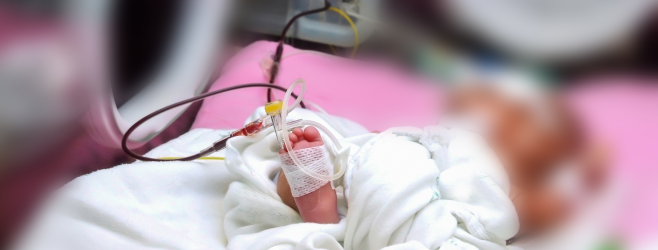
Going into preterm labor can leave you feeling out of control and terrified. There are many risk factors and circumstances that can increase the likelihood of preterm labor, and we should try to reduce these risks if possible. However, sometimes labor begins too early despite healthy prenatal practices.
It is very important to attend all your appointments during pregnancy so your doctor can monitor you and your baby closely and identify any potential risks.
Because premature infants are at greater risk for complications, I want to share what causes preterm labor, how to reduce the risks, the signs it may be occurring, and how to prepare in case it happens.
What Is Preterm Labor?
Preterm birth is any birth that occurs before 37 weeks of pregnancy, also called gestation. Some risk factors that can increase the likelihood of preterm birth are:
- Age (younger than 18 or older than 35)
- Being on your feet daily with long working hours
- Carrying more than one baby (twins, triplets)
- Complications with the placenta or uterus
- Infections
- Long-term health issues, like high blood pressure or diabetes
- Pregnancy conditions, like having too much amniotic fluid (polyhydramnios)
- Trauma, such as physical abuse, falling, or getting in a car accident
- Unhealthy lifestyle (smoking, drug use, or high stress)
Taking care of your body to the best of your ability by taking actions necessary to improve your health, like stopping smoking and staying off your feet for long hours, can help reduce the risk of preterm labor. But many factors, such as carrying twins or your age, are beyond your control.
How to Prevent Preterm Labor
It is so important to have a good team of doctors and nurses who know how to be by your side, provide education, and safely care for you and your baby if you go into preterm labor.
As a nurse, the unit I work on sees it all! I greet patients at triage who come in to check whether their water broke too early. My team cares for mothers rushing in, saying they feel pressured to deliver and are scared they are only at 35 weeks.
I see the stress from fathers who are quickly coming from work, trying to make sure they are there for the birth that they did not think would happen this early.
So, what actions can you take if you are at risk for preterm labor?
- Rest often and stay off your feet, engaging in minimally stressful activities.
- Hydrate, hydrate, hydrate! Drink water as often as you can during the day.
- Attend all your OB-GYN check-ups.
- Take prescribed medications, whether to manage blood pressure, diabetes, or to treat an infection.
- Perform daily practices to reduce stress.
I am also the one teaching mothers how to safely care for their newborn after giving birth to a 4-pound baby. It can be scary and overwhelming.
By managing your health and making the right choices daily, you may be able to lower the risk of preterm labor.
Preterm Labor Symptoms
I often receive phone calls from patients calling the labor and delivery unit, wondering if they should come to the hospital and are concerned they are in preterm labor.
Here are some signs of preterm labor:
- Abdominal pain or uterine tightening (contractions)
- Back pain or pressure
- Extra fluid leaking from the vagina
- Vaginal bleeding
Your water can break, and you might only feel a small trickle of fluid rather than a large gush that you’d be expecting. A continuous, small leak might show by feeling fluid run down your leg or feeling like you keep wetting your underwear or pad right after changing it.
Call your doctor and come to the hospital if you believe you are in preterm labor or are having any of these signs. It is very important not to prolong your arrival once any concerns arise.
Babies who are preterm are smaller in size, and labor can move along more quickly than if the baby were full term.
Preparing for the Possibility of Preterm Labor
If you are at risk for preterm labor, you have to prepare appropriately and know what to do if you start experiencing any signs. If you have other kids, make sure you have a caretaker planned in advance who can help at a moment’s notice.
Many times, patients come to the hospital without any of their belongings because they were not anticipating going into labor. If you believe you are in preterm labor, there is no time to go home to collect the items you want to have for the birth.
Keep in mind that the hospital will always provide you with the necessities. However, these are my most recommended items to have in your hospital “go bag”:
- Copy of your prenatal records, so the team can properly care for you and your baby
- Copy of your birth plan
- Comfort items such as a favorite pillow or sound machine for sleep
- Daily hygiene items to shower, wash your face, and brush your teeth
- Postpartum clothing items, including non-slip sandals for walking around the room
- Sentimental baby care items, such as their going-home outfit
While you can have a baby without having these items with you, you will feel more prepared if you have your “go bag” in the car and ready for the just-in-case scenarios.
Preterm Labor and Birth Injuries
The doctors and staff caring for you and your baby in the hospital need to know how to safely deliver a preterm baby and how to monitor and care for the newborn after birth. With the right care, premature infants can thrive and live healthy lives.
Sometimes, a stay in the NICU (neonatal intensive care unit) is needed to closely watch and provide treatments for your baby until you can care for them at home.
Unfortunately, medical negligence can occur when doctors fail to meet the standard of care expected of them. Unsafe medical interventions, delay of care, or missing an important diagnosis can lead to infant harm that has lasting effects.
Some birth injuries that are seen more often in premature babies include:
- Cerebral palsy: A group of disorders that affect muscle control and movement; occurs from damage to the brain and is often seen with seizures and learning, speech, and swallowing disabilities
- Hypoxic-ischemic encephalopathy (HIE): Brain damage from decreased blood flow and oxygen
- Kernicterus: High levels of bilirubin (pigment released from blood cell breakdown) that reach the brain and injure brain cells
- Intraventricular hemorrhage: Brain bleed, with an increased risk due to fragile blood vessels
- Necrotizing enterocolitis (NEC): A life-threatening gastrointestinal disease linked to cow’s milk-based formulas
- Periventricular leukomalacia: A condition involving damage to the white matter of the brain, which plays a vital role in its functioning
If your premature infant was diagnosed with one of these conditions or you believe your infant may have been harmed from improper or negligent care, our team is here to help you get the care and support you need.
Get Help for Preterm Labor Causing a Birth Injury
As a nurse, I know how important it is to meet and anticipate the needs of every patient. It is a title that comes with responsibility that should never be taken lightly.
If your baby was born prematurely and later diagnosed with a serious condition, or if you believe medical mistakes contributed to your child’s injury, you don’t have to navigate this alone.
Our team understands both the medical and emotional complexities families face, and we’re here to listen, explain your options, and help you take the next step at your pace.
Call (800) 914-1562 right now for a free, no-obligation case review.